Madingley Hall Gardens
About The Gardens
- Edwardian touches
- Seasonal beauty
- Historic features
- Capability brown design
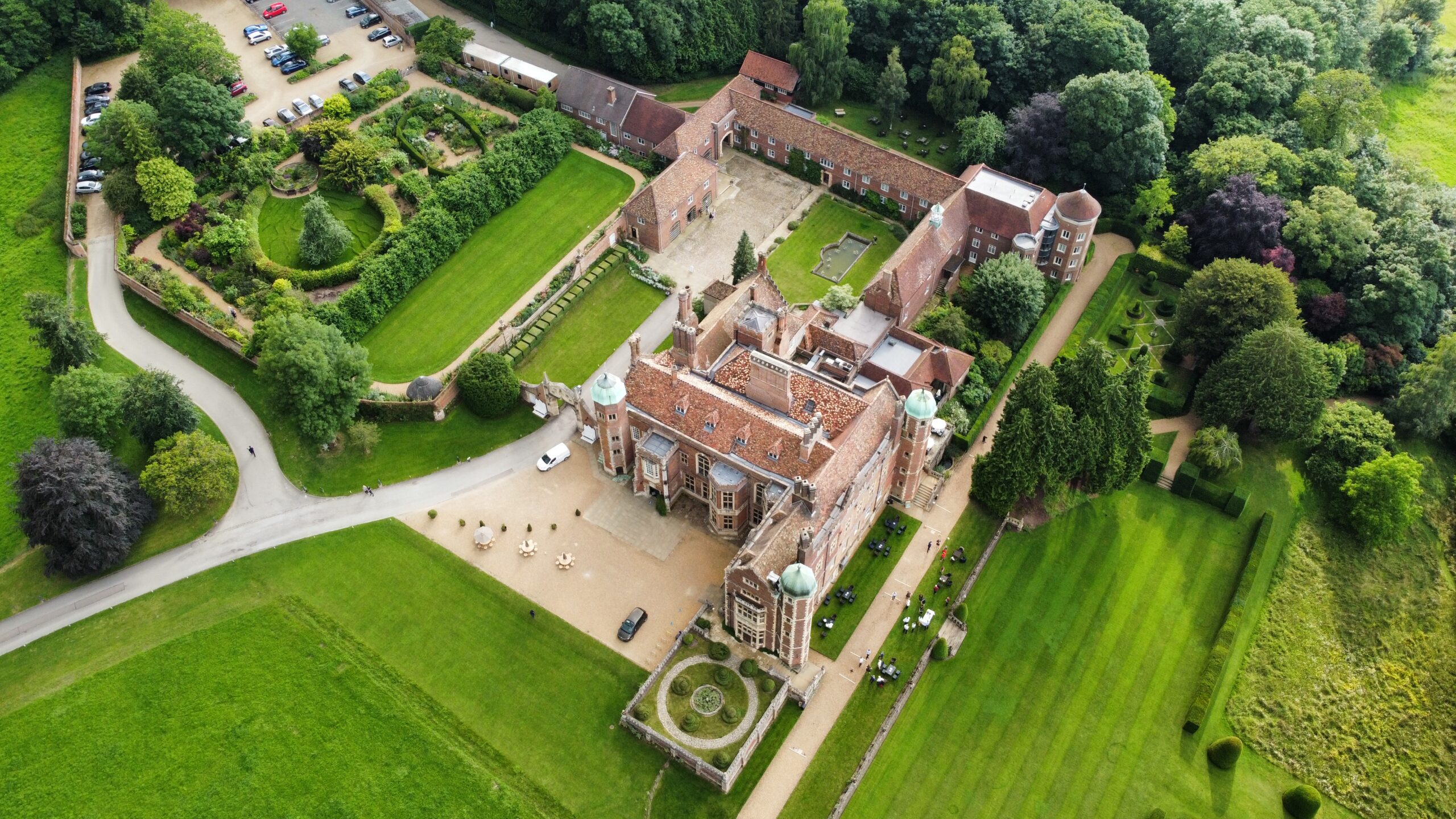
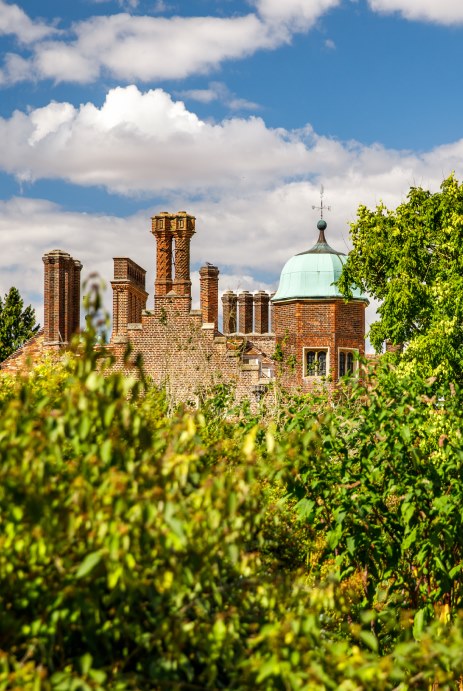
The glorious gardens surrounding Madingley Hall and Gardens reflect centuries of evolution. While the Hall was constructed between 1543 and 1547, the earliest recorded image of the gardens dates to 1705, depicting a formal, Dutch-style garden to the north and east of the Hall. This design was later replaced by the naturalistic parkland style of the 18th century. In 1756, renowned landscape architect Lancelot ‘Capability’ Brown was commissioned to create a fashionable landscape garden, characterised by undulating lawns and meadows, informal expanses of water and scattered trees. The view to the east, seen from the Hall’s front door, remains largely unchanged from this period.
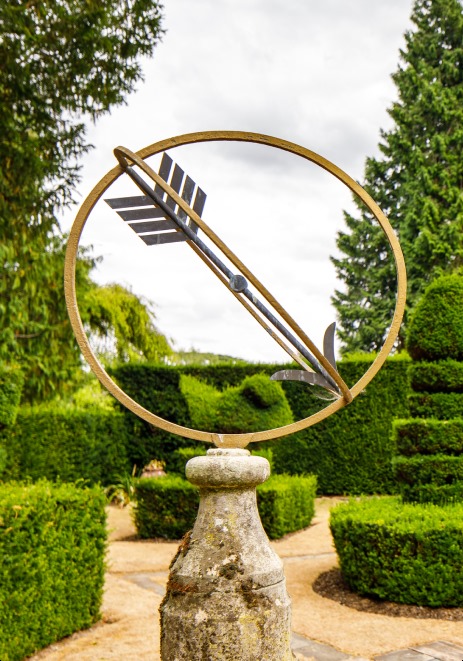
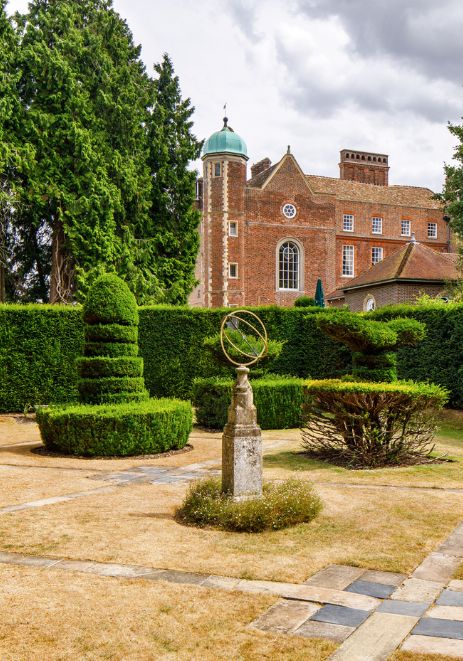
Colonel Walter Harding introduced formal terraces and the Croquet Lawn in the Edwardian style between 1908 and 1914. Many of the trees he planted during this time now form the mature framework of the estate’s tree collection, particularly in the two-acre meadow, which flourishes in spring and summer. In 1927, Ambrose Harding added the Yew Topiary Gardens, carefully relocating the garden, tree by tree, from Histon Manor, his previous residence.
In 1983, the University created the ornamental garden in southern part of the Walled Garden. The features include an Alpine Bed, Medicinal, Culinary and Cut Flower Borders, an arched Hazel Walk and a Sunken Garden. Over 1,200 different plants are grown focusing on unusual plants amongst the more familiar.
Visiting the garden
Visitors to Madingley Hall are encouraged to take full advantage of the gardens: winding gravel paths through the undulating terrain, and on a cold, crisp morning, or a balmy summer afternoon, provide the ideal location for a relaxing stroll.
Picnics, games and radios are not permitted in the grounds. Toilets are located inside the front door. Tea, coffee and light refreshments are available in the Terrace Bar.
Donations are always welcome.
maps & guided tours
Fascinating tours of the gardens can be arranged for small groups. Please also feel free to download the following walking guides and resources.